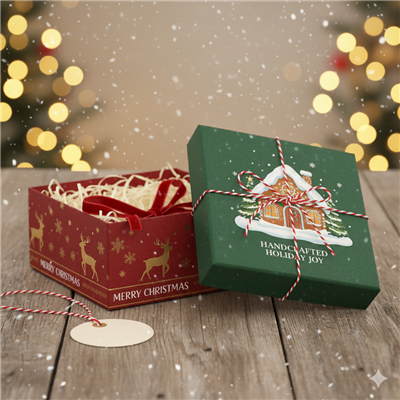
Food boxes are commonplace in our daily lives, but many people tend to throw them away after use, overlooking their diverse uses and proper handling. Mastering a few simple tips can not only extend the lifespan of your boxes, but also improve convenience and reduce waste. Here are some practical suggestions:
1. Properly store food to extend its shelf life
Different types of food require different storage methods. Using packaging wisely can help preserve food longer:
Dry foods (such as crackers and nuts): Ensure the box is completely sealed. Use a desiccant or a small packet of quicklime to prevent moisture and softening.
Leftovers: Cover the food with plastic wrap before closing the lid to prevent any leaks and odors.
Fresh foods (such as fruits and vegetables): If refrigerating in plastic boxes, place a layer of paper towel at the bottom to absorb moisture and prevent spoilage.
2. Smart Use of Boxes for Organizing
Food packaging boxes come in a variety of materials (such as plastic, glass, and cardboard) and can be flexibly transformed into storage tools:
Refrigerator Storage: Store different ingredients in separate boxes and label them to prevent odors from mixing or forgetting.
Snack Portioning: Large packages of snacks (such as chips and candy) can be emptied into smaller boxes for easy portion control and freshness.
Desk Organization: Clean cookie boxes or food containers can be used to store small items like stationery and paper clips.
3. Environmental Reuse: Turning Waste into Treasure
Many packaging boxes can be reused to reduce waste:
Plastic boxes: After cleaning, they can be used as seedling pots, tool storage boxes, or even mini flower pots.
Glass Boxes: Heat-resistant glass boxes can be microwaved or oven-safe for heating food. They can also be used as display boxes for jewelry or small tools.
Cardboard Boxes: Sturdy cardboard boxes (such as cookie boxes) can be used to store photos, craft materials, or even DIY children's toy boxes.
4. Precautions
Avoid reusing low-quality plastic boxes: Plastic boxes labeled "No. 1 (PET)" or "No. 3 (PVC)" are generally not suitable for long-term storage of greasy or hot foods and may release harmful substances.
Microwave Instructions: Only use boxes clearly marked "microwave-safe." It's recommended to open the lid or leave a gap when heating to prevent explosions caused by excessive pressure.
Cleaning Tips: Stubborn grease stains can be disinfected by soaking with baking soda and warm water, or wiping with white vinegar to ensure sanitary reuse.
With these tips, food packaging can not only better serve your daily needs but also contribute to environmental protection. The next time you open a package, take a few extra seconds to consider its potential uses!