


Hey there! As a supplier of PP non-woven bags, I've been getting a lot of questions lately about what the quality standards for these bags are. So, I thought I'd put together this blog post to share some insights and clear up any confusion.
First off, let's talk about what PP non-woven bags are. PP stands for polypropylene, which is a type of plastic. Non-woven means that the fabric is made by bonding or interlocking fibers together, rather than weaving them like traditional fabrics. PP non-woven bags are popular because they're lightweight, durable, and relatively inexpensive. They're used for a wide range of applications, from shopping bags to garment bags.
Material Quality
The quality of the PP non-woven fabric is the foundation of a good bag. High-quality PP non-woven fabric should be made from pure polypropylene resin. The resin should have a high melting point and good chemical stability. This ensures that the bags can withstand normal use without breaking down easily.
One of the key indicators of material quality is the weight of the fabric, usually measured in grams per square meter (gsm). A higher gsm generally means a thicker and stronger fabric. For example, a 80 gsm PP non-woven fabric will be more durable than a 60 gsm one. But it's not just about the weight. The fabric should also have a uniform texture and density. Any unevenness can lead to weak spots in the bag.
Tensile Strength
Tensile strength is another crucial quality standard. It refers to the maximum amount of stress a material can withstand while being stretched or pulled before breaking. In the case of PP non-woven bags, good tensile strength means the bag can hold a reasonable amount of weight without tearing.
When we test the tensile strength of our bags, we look at both the longitudinal (lengthwise) and transverse (widthwise) directions. A well-made PP non-woven bag should have balanced tensile strength in both directions. For instance, if you're using a bag to carry groceries, you don't want it to tear easily when you pick it up by the handles or when it's filled with heavy items.
Colorfastness
Colorfastness is important, especially for bags that are printed or dyed. No one wants a bag that fades or bleeds color after a few uses. High-quality PP non-woven bags should have good colorfastness. This means that the color should remain vibrant and not transfer to other objects even when the bag is exposed to sunlight, water, or friction.
We use special dyes and printing techniques to ensure colorfastness. Before we start mass-producing a batch of colored or printed bags, we conduct colorfastness tests. These tests simulate different real-world conditions, such as washing, sunlight exposure, and rubbing. Only when the results meet our standards do we proceed with production.
Seam Strength
The seams of a PP non-woven bag are just as important as the fabric itself. A weak seam can cause the bag to come apart easily. The seam strength depends on the stitching method and the quality of the thread used.
We use high-strength threads and professional stitching machines to ensure strong seams. The stitches should be evenly spaced and tight. We also test the seam strength by pulling on the seams to see if they can withstand a certain amount of force. If a seam fails during testing, we adjust our stitching process to improve it.
Handle Quality
The handles are what you use to carry the bag, so their quality is crucial. They should be strong enough to support the weight of the bag and its contents. The material of the handles can vary. Some bags have the same PP non-woven fabric as the body of the bag for the handles, while others may have reinforced or different materials for a more comfortable grip.
The attachment of the handles to the bag is also important. They should be securely attached so that they don't come off easily. We use special techniques to attach the handles, such as heat sealing or stitching. And of course, we test the handle strength to make sure they can handle the weight.
Environmental Standards
In today's world, environmental standards are becoming increasingly important. Many customers are looking for eco-friendly options. PP non-woven bags can be a good choice in this regard. They are recyclable and can be reused multiple times.
We make sure that our bags meet relevant environmental standards. For example, we use non-toxic dyes and inks in our printing process. And we encourage our customers to recycle the bags when they're no longer needed.
Different Types of PP Non-Woven Bags and Their Quality Standards
There are different types of PP non-woven bags, each with its own specific quality requirements.
Imprinted Eco-Friendly Non-Woven Tote Bags
Imprinted Eco-Friendly Non-Woven Tote Bags are popular for promotional purposes. In addition to the general quality standards, the printing on these bags should be clear and long-lasting. The imprint should not fade or peel off easily, even with regular use.
Non-Woven Tote Bags
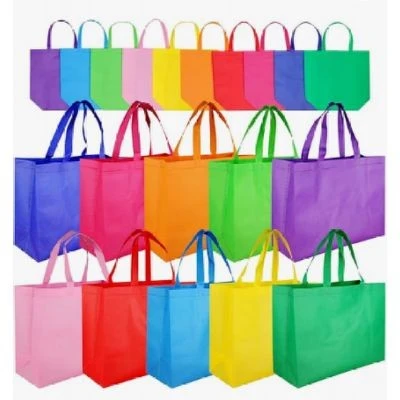
Non-Woven Tote Bags are commonly used for shopping. They need to be strong enough to hold groceries and other items. The handles should be comfortable to hold, and the bag should have a good shape retention so that it doesn't collapse easily when filled.

Non-Woven Garment Bags
Non-Woven Garment Bags are designed to protect clothes. They should be breathable to prevent moisture buildup and damage to the garments. The fabric should also be smooth to avoid scratching the clothes.
Why Choose Our PP Non-Woven Bags
At our company, we take quality very seriously. We have a strict quality control system in place. Every batch of bags goes through multiple tests before it's shipped out. We also use the latest technology and equipment to ensure that our bags meet the highest quality standards.
If you're in the market for high-quality PP non-woven bags, whether it's for shopping, promotion, or garment storage, we're here to help. We can customize the bags according to your specific requirements, including size, color, printing, and handle design.
If you're interested in purchasing our PP non-woven bags, feel free to reach out to us for more information and to start a procurement discussion. We're always happy to talk about your needs and find the best solutions for you.
References
- ASTM International standards for non-woven materials
- ISO standards related to plastic products and environmental requirements


